

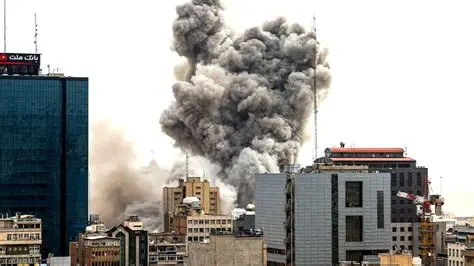
Tensions in the Middle East have exploded once again after the United States restored a naval blockade against Iran and launched another wave of military strikes, triggering fresh retaliation from Tehran.
The renewed confrontation has placed the Strait of Hormuz—one of the world’s most important oil shipping routes—at the centre of a rapidly worsening crisis. The narrow waterway normally carries roughly one-fifth of globally traded oil, making any prolonged disruption a serious threat to energy markets and the wider global economy.
The United States says the blockade is intended to restrict access to Iranian ports and prevent forces linked to Tehran from threatening commercial vessels. American forces have also targeted Iranian missile systems, air-defence positions and boats allegedly operated by the Islamic Revolutionary Guard Corps near the strait.
Iran, however, has shown no sign of surrendering.
Tehran has responded with missile and drone attacks, while commercial tankers operating around the Gulf have reportedly come under fire. Iranian authorities maintain that they have the right to defend their territorial waters and accuse Washington of using maritime security as an excuse to tighten military and economic pressure on the country.
The latest escalation follows the collapse of a fragile temporary agreement that had briefly reduced direct attacks between the two countries. Disagreements over shipping access, control of the Strait of Hormuz and Iran’s nuclear programme have prevented negotiators from reaching a lasting settlement.
Global markets have already begun reacting nervously. Oil prices climbed to their highest levels in about a month as traders feared that tanker traffic could be further restricted. Any prolonged closure or military disruption in the strait could raise fuel prices, increase transportation costs and place additional pressure on consumers worldwide.
The crisis also threatens neighbouring Gulf countries, many of which depend heavily on stable shipping lanes to export oil and gas. A missile striking the wrong target or a confrontation between warships could quickly drag additional nations into the conflict.
Despite the growing military buildup, diplomatic efforts have not completely disappeared. Regional mediators continue to push Washington and Tehran towards negotiations, but neither side appears willing to make major concessions.
For now, warships are gathering, aircraft are carrying out strikes and commercial vessels are sailing through increasingly dangerous waters.
The Strait of Hormuz is no longer simply a shipping route. It has become the explosive frontline of a confrontation that could shake the entire world.
