
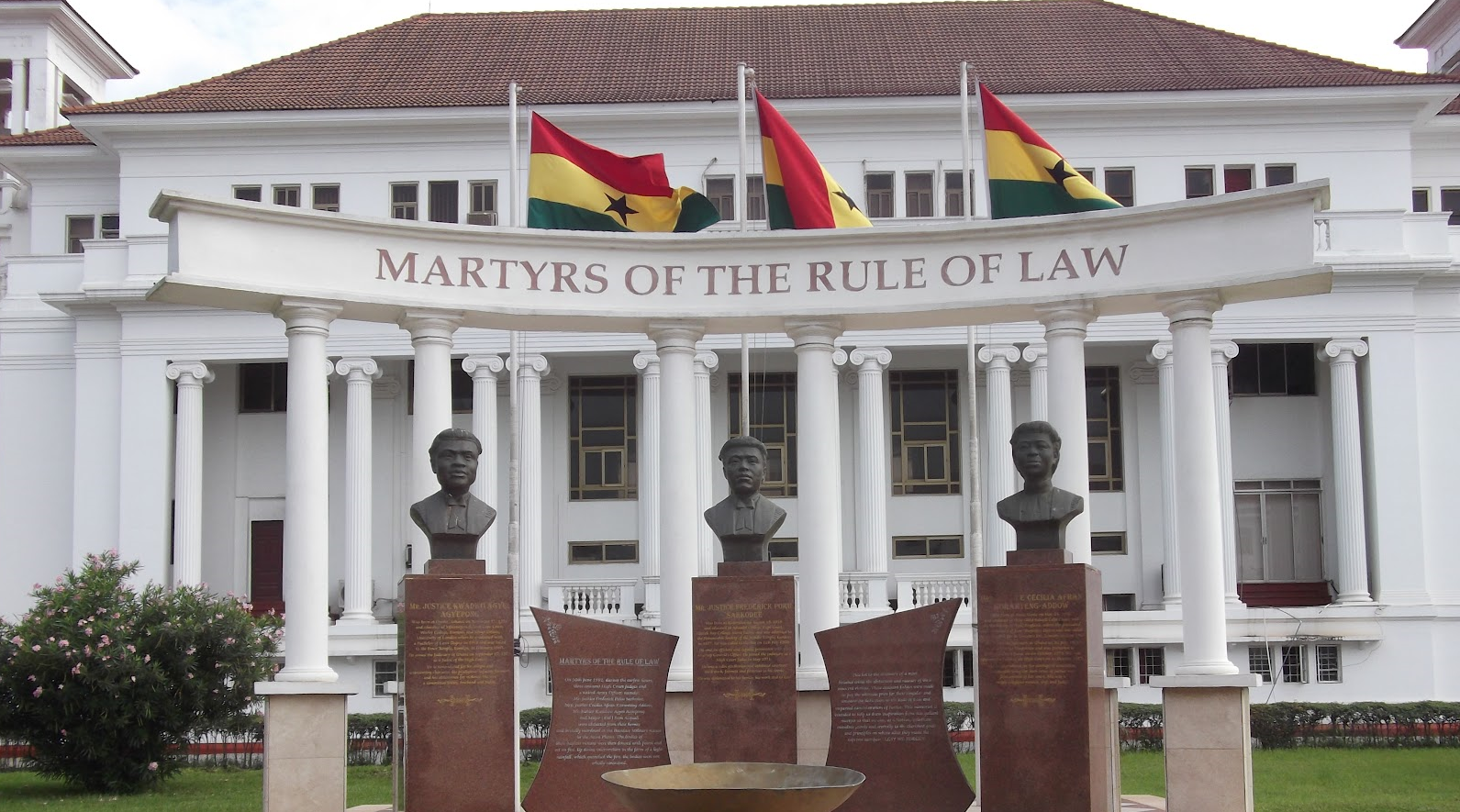
Court activities in Kumasi have been thrown into chaos as a nationwide strike by the Judicial Service Staff Association of Ghana (JUSAG) forced the closure of the High Court and several lower courts on Monday, November 2, 2026, leaving frustrated litigants stranded.
The industrial action, which began on Monday, has disrupted judicial operations across the country as workers protest delays in approving their 2026 salary adjustments and paying outstanding arrears.
Reports from Kumasi indicate that the High Court, Court of Appeal, Asokwa Circuit Court and Kumasi Metropolitan Assembly (KMA) Court were among the affected judicial facilities.
Several people who arrived for scheduled hearings and other legal services were met with locked gates, deserted court premises and red cloths displayed at entrances to signal the ongoing strike.
For some litigants, the unexpected closures meant wasted transportation expenses and uncertainty over their pending cases.
One affected court user, Joyce Konama, reportedly travelled a considerable distance for a judgment scheduled at the Kumasi High Court, only to discover that proceedings could not take place.
She expressed disappointment over the situation and appealed to the government to urgently address the concerns of judicial workers.
Other affected individuals similarly called for immediate negotiations to prevent further disruptions to the administration of justice.
The strike follows JUSAG’s dissatisfaction with the government’s failure to implement the Judicial Council’s recommendations concerning the 2026 salary review.
The association is demanding approval of the revised salary structure and payment of outstanding arrears covering January through October 2026.
JUSAG had earlier warned that its members would withdraw their services indefinitely if the outstanding issues remained unresolved.
Meanwhile, the Judicial Service has appealed to striking workers to reconsider their decision while discussions continue with government officials.
Judicial Secretary Musah Ahmed has assured stakeholders that management is working toward a resolution that would restore normal court operations.
However, the association has maintained that its grievances must be addressed before members resume work.
The situation has raised concerns about the potential accumulation of pending cases and further delays in justice delivery if the industrial action continues.
For litigants already facing lengthy legal proceedings, the shutdown represents another setback, with growing calls for the government and JUSAG to reach an urgent agreement and reopen the courts.