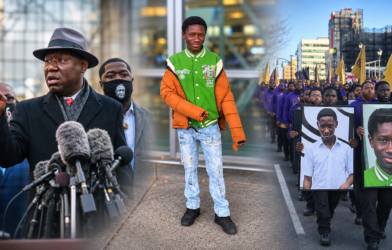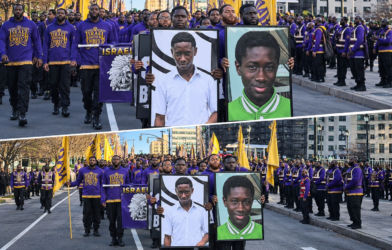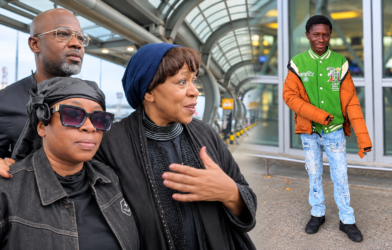

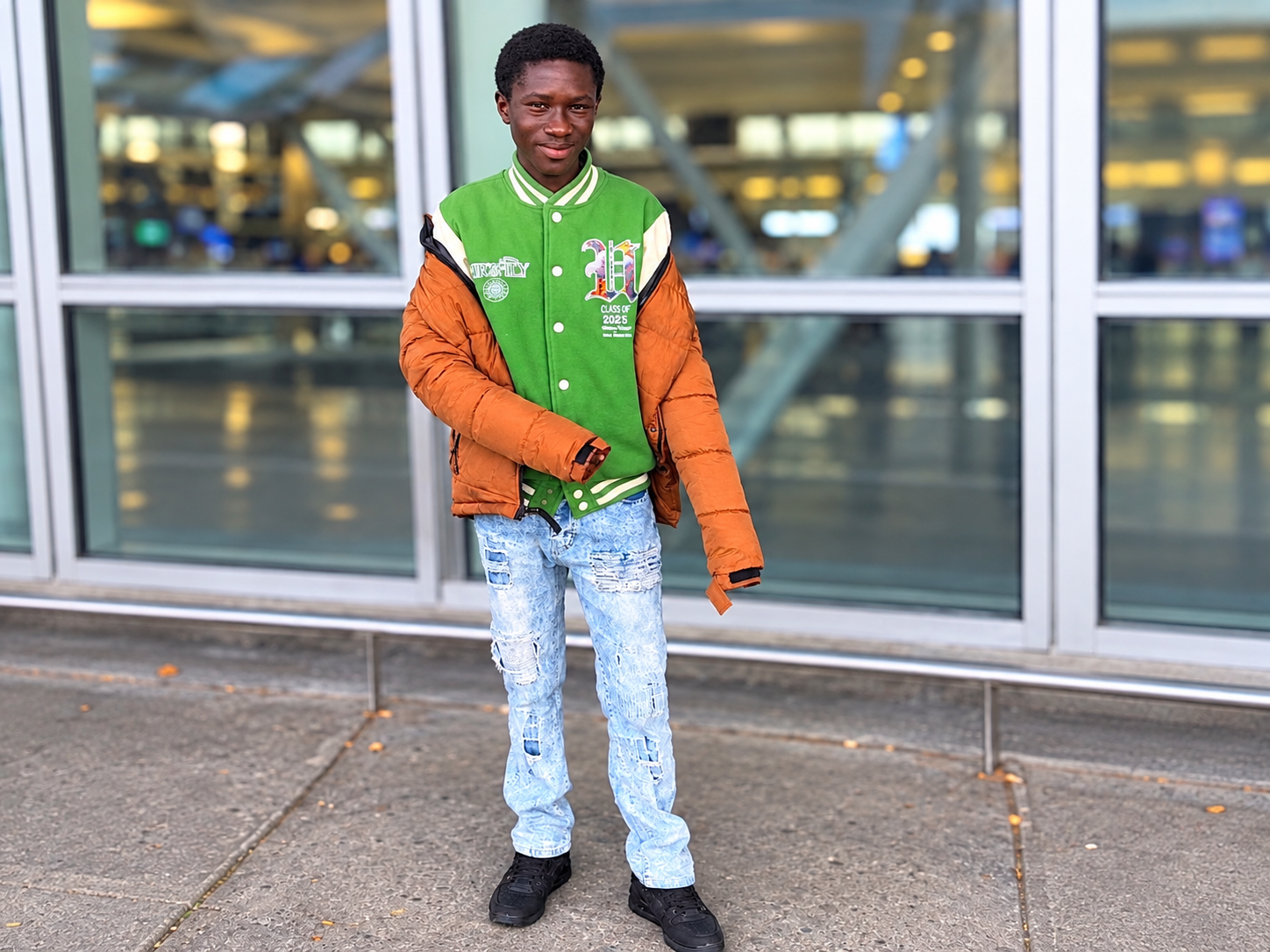
Javits Frimpong’s tragic death has left so many unanswered questions lingering in my mind.
First, there are countless American movies depicting bullying, especially in high schools, and how both perpetrators and victims are affected by such experiences. With what we are witnessing today, does it mean that many of these children and young people are not adequately counselled or educated about the consequences of such behaviour?
With a system as robust and respected as America’s, I find it deeply disappointing to hear testimonies from immigrants and their children who have experienced bullying at one point or another, particularly in schools.
One would expect students to be constantly educated about the dangers of such behaviour, yet it continues to rear its ugly head. People are mocked because of their accents, food, skin colour, or cultural backgrounds. Some bullies relentlessly taunt and intimidate their victims, sometimes to the point of physical harm.
Unfortunately, these concerns hit close to home following the tragic death of Javits Frimpong, who never had the opportunity to live long enough to tell his full story.
A young soul with his entire future ahead of him is gone. A father who sought a better future for his son has been left devastated and distraught. This is heartbreaking, to say the least.
How young people gain access to guns to perpetrate such heinous acts still baffles me.
Perhaps the system is not as perfect as many believe, and the United States of America must find the courage to confront these troubling issues head-on.
The popular saying, “Charity begins at home,” must be taken seriously.
Every parent in the United States should ask themselves some difficult questions: What do we teach our children about people whose skin colour, accents, cultures, and physical features differ from theirs? How do we encourage our children to treat people who do not look or sound like them?
It all begins at home.
From there, the responsibility extends to schools, where children spend a significant portion of their day. If parents and educational institutions fail to make a deliberate effort to instil respect, tolerance, empathy, and discipline, bullying and discrimination will unfortunately continue to rear their ugly heads.
Javits Frimpong’s death should not be dismissed as just another statistic in America’s gun violence crisis.
A young life has been lost. A promising future has been cut short. A family has been plunged into unimaginable grief.
Justice must be served, not only to provide some measure of comfort to the grieving family but also to reinforce the urgent need to protect every child, regardless of race, skin colour, nationality, or accent.
To the government of Ghana, I commend the initial steps taken towards seeking justice for our compatriot, Javits Frimpong. However, I sincerely appeal to the government to follow this case closely and ensure that every possible effort is made to secure justice.
To the United States of America, the world is watching.
The death of this young Ghanaian must not become another forgotten tragedy. Those responsible must be held accountable through the justice system, and meaningful steps must be taken to confront bullying, discrimination, and gun violence among young people.
No parent should have to bury a child whose only dream was to pursue an education and build a brighter future.
No child should have to live in fear because of their identity, background, or the way they speak.
And no family should have to endure the unbearable pain of losing a loved one to senseless violence.
Justice for Javits Frimpong must not be merely a slogan. It must become a reality.
My sincerest condolences go to the family of Javits Frimpong. May his gentle soul rest in perfect peace.
By Stella Annan