

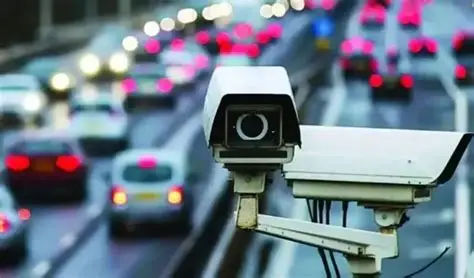
The commencement of the Traffitech road traffic regulation scheme this month has sparked excitement among Ghanaian motorists, and it is certainly a commendable initiative. Some motorists have already been penalised for exceeding speed limits on designated roads and have consequently been slapped with fines.
The brains behind the introduction of this innovative technology to strengthen the enforcement of road traffic regulations in Ghana deserve enormous praise. Manual policing alone cannot effectively address the widespread indiscipline on our roads or ensure that traffic offenders are appropriately penalised.
Excitement was certainly in the air during the pilot phase of the scheme, and now that it has commenced full-scale operations, there is renewed hope that technology will help minimise human interference in traffic law enforcement, promote discipline among motorists, and ultimately save lives on our roads.
Currently, seven of Ghana’s sixteen regions have high-tech traffic cameras deployed and operating in major cities. These include Greater Accra (Accra and Tema), Western Region (Takoradi), Bono Region (Sunyani), Northern Region (Tamale), Eastern Region (Koforidua), Volta Region (Ho), and Ashanti Region (Kumasi).
With such an impactful initiative in place, there is an urgent need to accelerate its expansion to the remaining nine regions. The Motor Traffic and Transport Department (MTTD) of the Ghana Police Service must continue to engage the government and other relevant stakeholders to ensure that all sixteen regions benefit from this important road safety intervention.
Although the policy may not be entirely perfect and could require adjustments as its implementation expands, there is no denying its potential to reduce road accidents, improve compliance with traffic regulations, and minimise the needless loss of lives.
For us Ghanaians, however, this initiative presents another major test of our discipline, sense of responsibility, and, most importantly, maintenance culture. These sophisticated traffic cameras require regular monitoring, technical servicing, and consistent maintenance to remain effective.
Unfortunately, Ghana has a history of introducing promising initiatives that eventually lose their effectiveness because of poor maintenance and inadequate supervision. We cannot afford to allow the Traffitech scheme to suffer a similar fate.
It is about time we changed our attitude towards maintaining public infrastructure and protecting investments made to improve our society. The authorities responsible for this initiative must ensure that the equipment remains functional, receives timely maintenance, and continues to serve its intended purpose.
Traffitech is undoubtedly a step in the right direction, but its long-term success will depend not only on the technology itself but also on our collective commitment to discipline, accountability, and proper maintenance.
This commendable initiative must not become another promising Ghanaian policy that starts with excitement and fanfare, only to collapse because of our poor maintenance culture.
By Stella Annan