

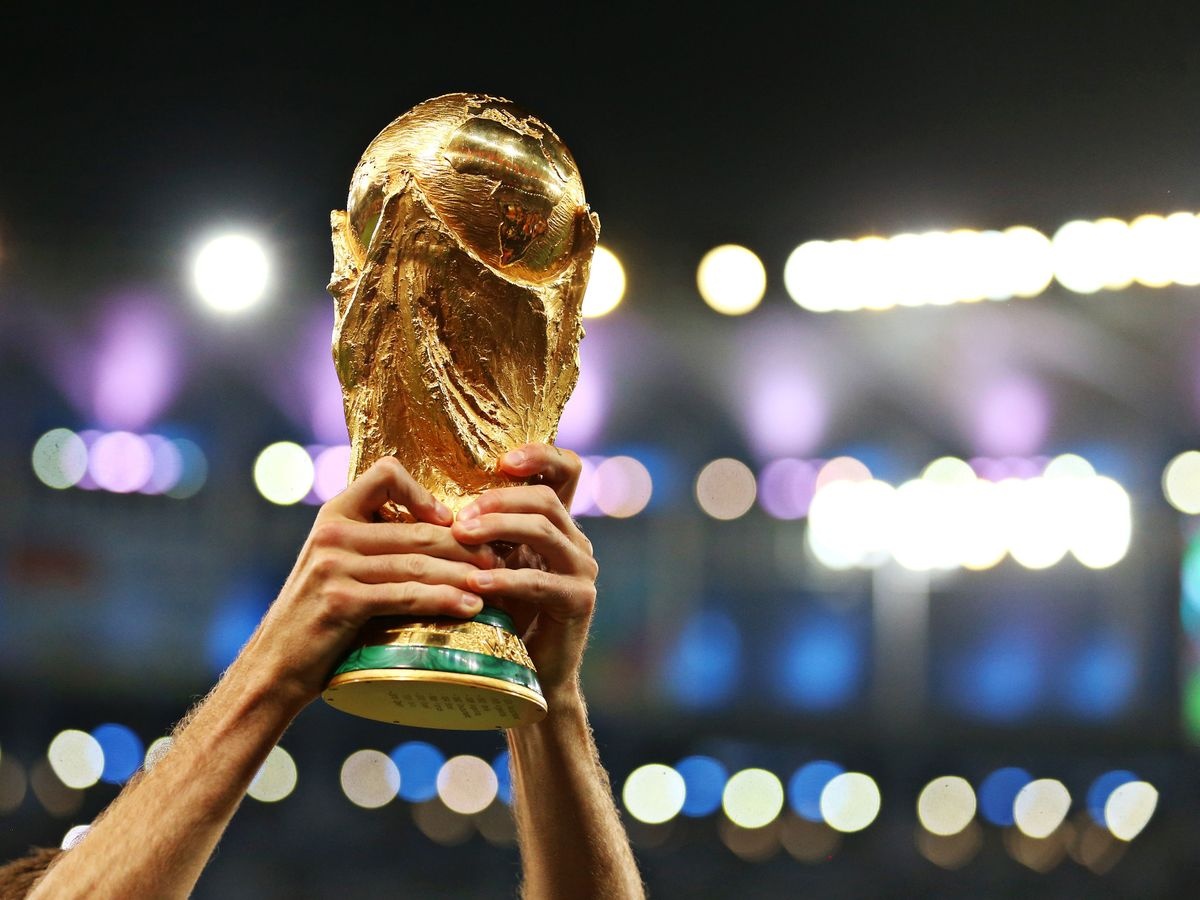
The 2026 FIFA World Cup was supposed to celebrate football’s global growth, a historic tournament where 48 nations would compete for the most prestigious trophy in the sport.
Instead, as the competition moves deeper into the knockout rounds, an uncomfortable question is beginning to dominate conversations among supporters:
Are all teams truly receiving equal treatment, or are certain football giants being protected?
From controversial Video Assistant Referee decisions to inconsistent disciplinary rulings, many fans believe the tournament is developing a troubling pattern. Smaller nations appear to be punished by the finest margins, while established powers and commercially attractive teams seemingly survive moments that might have ended another country’s campaign.
There is currently no verified evidence proving that FIFA or match officials have deliberately manipulated games. However, football is built not only on fairness but also on the public’s confidence that fairness exists. Once that confidence begins to disappear, every whistle, replay and overturned goal becomes suspicious.
The Same Rules, Different Outcomes?
Supporters are not demanding perfect refereeing. Football has always included human mistakes, controversial decisions and emotional disagreements.
The deeper concern is inconsistency.
A physical challenge may be considered normal contact in one match but punished as a foul in another. A handball may lead to a penalty for one country, while a similar incident is ignored elsewhere. VAR may examine an attacking sequence from several seconds earlier to cancel one goal, yet appear reluctant to intervene when another team benefits.
The outrage following Argentina’s dramatic 3-2 victory over Egypt intensified that debate. Egyptian players and officials publicly questioned several decisions and alleged that the defending champions had received favourable treatment. Those remain accusations rather than proven facts, while other refereeing observers have argued that the major calls were correctly handled.
That disagreement is precisely the problem.
When respected analysts, former officials, coaches and millions of supporters can watch the same incident and reach completely different conclusions, VAR is no longer providing the certainty it promised.
It is creating another courtroom inside the stadium.
Big Teams Carry Bigger Commercial Value
Football’s elite nations bring enormous audiences, global sponsors and superstar appeal.
Argentina’s continued presence keeps Lionel Messi at the centre of worldwide attention. England attracts one of the largest television markets in the game. France, Spain, Brazil, Portugal and the United States all carry major commercial importance.
That does not automatically mean matches are being fixed in their favour.
However, when controversial decisions repeatedly benefit famous teams, supporters naturally begin connecting football outcomes with business interests. The suspicion becomes even stronger when smaller nations feel their complaints are dismissed while powerful countries appear capable of influencing disciplinary discussions.
FIFA publicly defended referee Raphael Claus after criticism surrounding the red card shown to United States striker Folarin Balogun. The governing body maintained that the official was professional and deserving of respect, but the subsequent suspension controversy only added to public confusion about how disciplinary rules were being applied.
Football authorities may view every incident separately. Fans, however, view them collectively.
And collectively, the picture can look uncomfortable.
VAR Was Supposed to End Injustice
When VAR entered international football, it was presented as a solution to obvious refereeing mistakes.
Instead, the technology has sometimes made decisions feel more complicated, more technical and less transparent.
A goal can be celebrated wildly before being cancelled because of an incident that occurred much earlier in the attacking move. A defender’s tiny contact can be examined from multiple camera angles and slowed down until it appears more serious than it looked in real time.
At the same time, supporters are rarely given a full explanation of why one incident received an extensive review while another did not.
The 2026 tournament has already produced debate over disallowed goals, penalties, red cards and possible fouls during attacking build-ups. Reports have highlighted controversial VAR incidents involving Ghana, Iran, Croatia, Germany, Belgium, Argentina and several other nations.
Technology cannot restore trust when nobody understands how it is being used.
Smaller Nations Cannot Afford a Single Mistake
Traditional football powers often possess enough quality to recover from adversity.
Smaller countries usually do not.
A questionable penalty, a harsh red card or a narrowly disallowed goal can destroy years of preparation in seconds. These teams may have only one golden generation and one realistic opportunity to make history.
That is why perceived unfairness affects them more deeply.
When an underdog scores against a global powerhouse, every VAR review feels like an attempt to search for a reason to cancel the moment. When a superstar goes down inside the penalty area, supporters fear officials will feel greater pressure to award the decision.
Whether that pressure is real or imagined, FIFA must take it seriously.
The World Cup cannot claim to belong to the entire world while allowing some nations to feel like invited guests in a competition designed for football royalty.
Referees Must Be Protected but Also Held Accountable
Abuse and threats against match officials are unacceptable. Referees are human beings working under extraordinary pressure, and no controversial decision justifies personal attacks.
But protecting officials should not mean protecting the refereeing system from legitimate scrutiny.
FIFA should provide clearer explanations after major VAR decisions. Referee audio should be released where possible, especially when an incident changes the outcome of a knockout match. Independent reviews should examine consistency across the tournament rather than evaluating each controversy in isolation.
Transparency would not eliminate disagreement, but it would reduce suspicion.
Silence allows conspiracy theories to grow.
The Tournament’s Reputation Is Now on the Line
The 2026 World Cup still has the potential to be remembered as an extraordinary celebration of football. There have been dramatic matches, fearless underdogs and unforgettable performances.
But goals and trophies will not be the only things that define this competition.
The tournament will also be judged by whether supporters believed every country received a genuine opportunity to compete.
Favoritism does not always need to be proven before it damages a sporting event. Sometimes the perception alone is enough.
If fans begin believing that certain nations are too commercially valuable, too politically influential or too important to eliminate, then football’s greatest tournament risks becoming theatre rather than competition.
FIFA must therefore do more than insist that the game is fair.
It must demonstrate fairness openly, consistently and convincingly.
Because once supporters believe the World Cup has chosen its preferred winners, even the most spectacular victory will be followed by the same haunting question: