
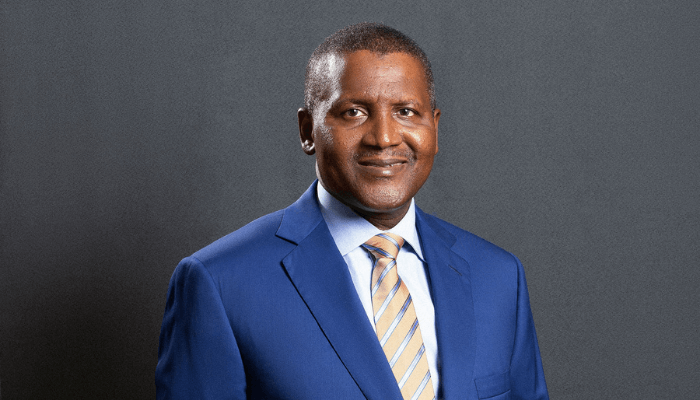
Africa’s richest man, Aliko Dangote, is preparing an ambitious pan-African industrial project that could dramatically reshape the continent’s energy market and reduce its long-standing dependence on imported fuel.
At the centre of the billionaire’s plan is the expansion of the $20 billion Dangote Petroleum Refinery in Lagos, alongside the proposed construction of another massive refinery in Kenya. The Nigerian facility currently has a production capacity of about 650,000 barrels per day, but Dangote intends to double that figure to approximately 1.4 million barrels daily.
The proposed East African refinery could add another 650,000 to 700,000 barrels per day, creating a powerful refining network stretching from West Africa’s Atlantic coast to the Indian Ocean.
Dangote’s ultimate ambition is to stop African countries from exporting crude oil only to spend billions importing expensive finished petroleum products. His emerging network could allow more fuel to be processed within Africa, strengthen regional trade and transform the continent into a major exporter of refined products.
The industrialist is also preparing a potentially historic public listing of the Lagos refinery. The planned initial public offering could raise about $5 billion and become the largest stock-market listing ever completed in Africa.
Dangote reportedly wants the offering to become a genuinely pan-African investment opportunity, allowing investors from different countries to own part of what could become one of the continent’s most valuable industrial assets. Exchanges and investors in Ghana, Kenya, South Africa, Egypt and Rwanda have reportedly shown interest.
His wider investment programme also covers cement and fertiliser production. Dangote plans to increase fertiliser capacity across Nigeria and Ethiopia, potentially strengthening African agriculture, improving farmers’ access to vital inputs and reducing food insecurity.
Dangote has repeatedly argued that Africa’s transformation must be driven by Africans who are prepared to invest in large-scale industries at home. He believes local capital and confidence must lead before foreign investors can be expected to follow.
The project still faces enormous financial, regulatory and construction challenges. However, its potential impact is difficult to ignore.
Should Dangote successfully connect West and East Africa through refineries, fertiliser plants and regional investment, the billionaire may achieve something far greater than expanding his business empire—he could help rewrite Africa’s industrial future.