

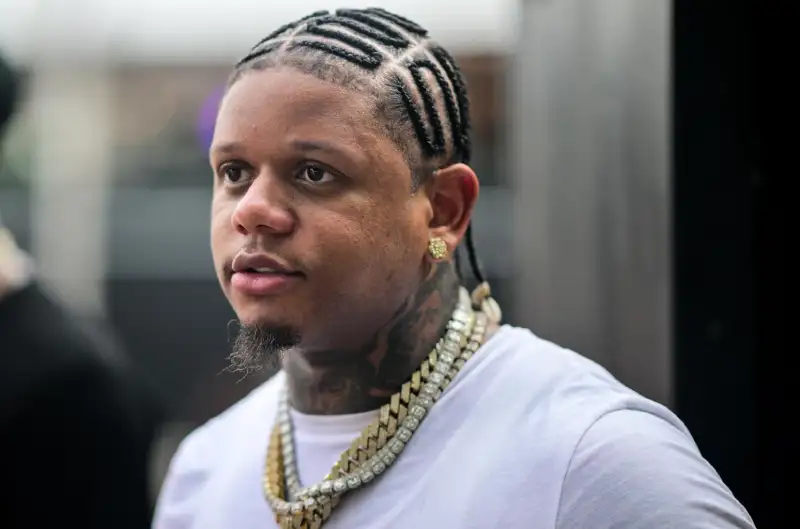
Dallas rapper Markies “Yella Beezy” Conway has been convicted of capital murder in connection with the 2020 killing of fellow rapper Melvin “MO3” Noble Jr., bringing a dramatic conclusion to one of Texas’ most closely watched hip-hop murder cases.
A Dallas County jury returned a unanimous guilty verdict on Wednesday, November 11, 2026, exactly six years after MO3 was gunned down on Interstate 35E in Dallas. Conway was subsequently sentenced to life in prison without the possibility of parole.
Prosecutors accused Conway of arranging the killing by paying Kewon White $40,000 to murder MO3 following a long-running feud between the two rappers. According to prosecutors, White followed MO3 onto the busy freeway before chasing him on foot and opening fire in broad daylight.
MO3, whose real name was Melvin Noble, was 28 when he was killed. A bystander was also struck by gunfire but survived the attack.
During the trial, prosecutors argued that Conway was the person behind the murder-for-hire plot. His defense team strongly denied the accusations, maintaining that the state’s case relied heavily on speculation rather than evidence directly connecting him to the shooting. Conway had pleaded not guilty.
The jury ultimately rejected the defense’s argument and found Conway guilty of capital murder.
A Texas jury today convicted Markies "Yella Beezy" Conway of capital murder for the shooting death Melvin "MO3" Noble Jr. on a Dallas freeway in 2020.
Today is the sixth anniversary of Noble’s death. https://t.co/iNzNaHnBzb
— Meghann Cuniff (@meghanncuniff) November 11, 2026
White, the man prosecutors identified as the gunman, was previously convicted of capital murder in September 2026 and also sentenced to life in prison without parole. Another defendant, Devin Brown, remains charged in connection with the case and is awaiting trial.
The verdict marks a major turning point in a case that has remained under intense public attention since MO3’s shocking daylight killing in 2020.
For MO3’s family and supporters, Conway’s conviction brings a significant measure of legal accountability six years after the Dallas rapper lost his life.
