
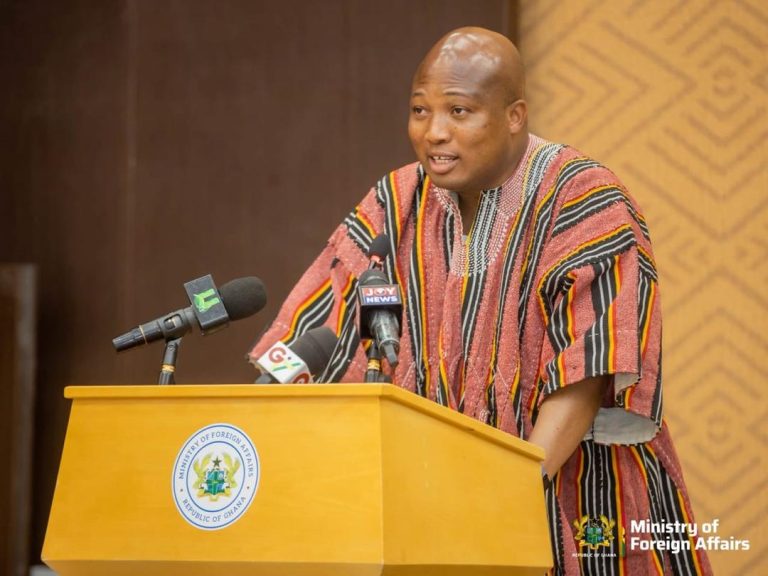
The recent decision by Ghana’s Minister for Foreign Affairs, Hon. Samuel Okudzeto Ablakwa, to respectfully decline MTN’s GHC 20 million offer toward the resettlement of Ghanaians evacuated from South Africa deserves commendation.
As a Ghanaian, I find the decision particularly significant. Turning down such a substantial amount of money especially at a time when the government is confronted with numerous financial pressures could not have been easy. It must have required careful thought, conviction, and the courage to place national dignity above immediate financial relief.
At the heart of this decision lies an important lesson: no matter the challenges we face at home, Ghana must never lose its sense of pride, self-respect, and responsibility toward its citizens.
The government has already taken steps to evacuate affected Ghanaians and assist them in rebuilding their lives. Many of these citizens travelled abroad in search of better opportunities, only to encounter hostility, lose businesses and personal belongings, and return home facing the painful reality of starting again from nothing.
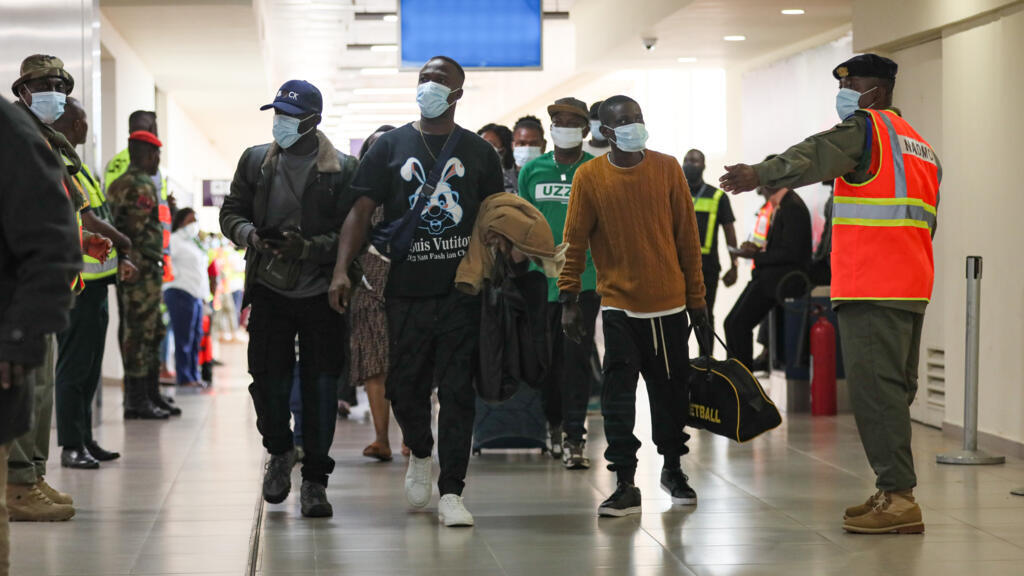
In such difficult circumstances, the government’s willingness to stand behind them sends a reassuring message—that wherever Ghanaians may find themselves, their country should not abandon them in moments of crisis.
Xenophobic violence in South Africa has remained a troubling issue for years. While economic hardship, unemployment, and competition for opportunities are often cited as reasons for hostility toward foreign nationals, such frustrations should never justify attacks on innocent people.
Those concerns should be directed toward policymakers and institutions responsible for addressing economic inequality—not toward fellow Africans seeking to earn an honest living.
This is particularly painful considering the historical support many African nations gave South Africa during the struggle against apartheid. Africans should be strengthening the bonds that unite the continent rather than turning against one another.
Evacuating and resettling citizens is unquestionably expensive. Ghana had to mobilize resources to bring its people home and support them during a difficult transition.
MTN’s reported willingness to contribute GHC 20 million should therefore be acknowledged as a generous gesture. However, if the government believes accepting the money would compromise an important principle, then declining it respectfully is equally understandable.
MTN can still channel that goodwill into other important areas of national development where its support could make a meaningful difference.
Minister Ablakwa’s decision ultimately reminds us of something money cannot purchase: dignity.
My hope now is that the Ghanaian government will work closely with South African authorities to help affected citizens recover legitimate losses where possible. Where diplomatic engagement fails, appropriate legal avenues should also be considered.
The broader message must be clear: no country exists in isolation. Nations depend on one another economically, socially, and diplomatically.
Africa’s future should be built on cooperation, mutual respect, and the protection of human dignity not hostility toward fellow Africans.
By Stella Annan