

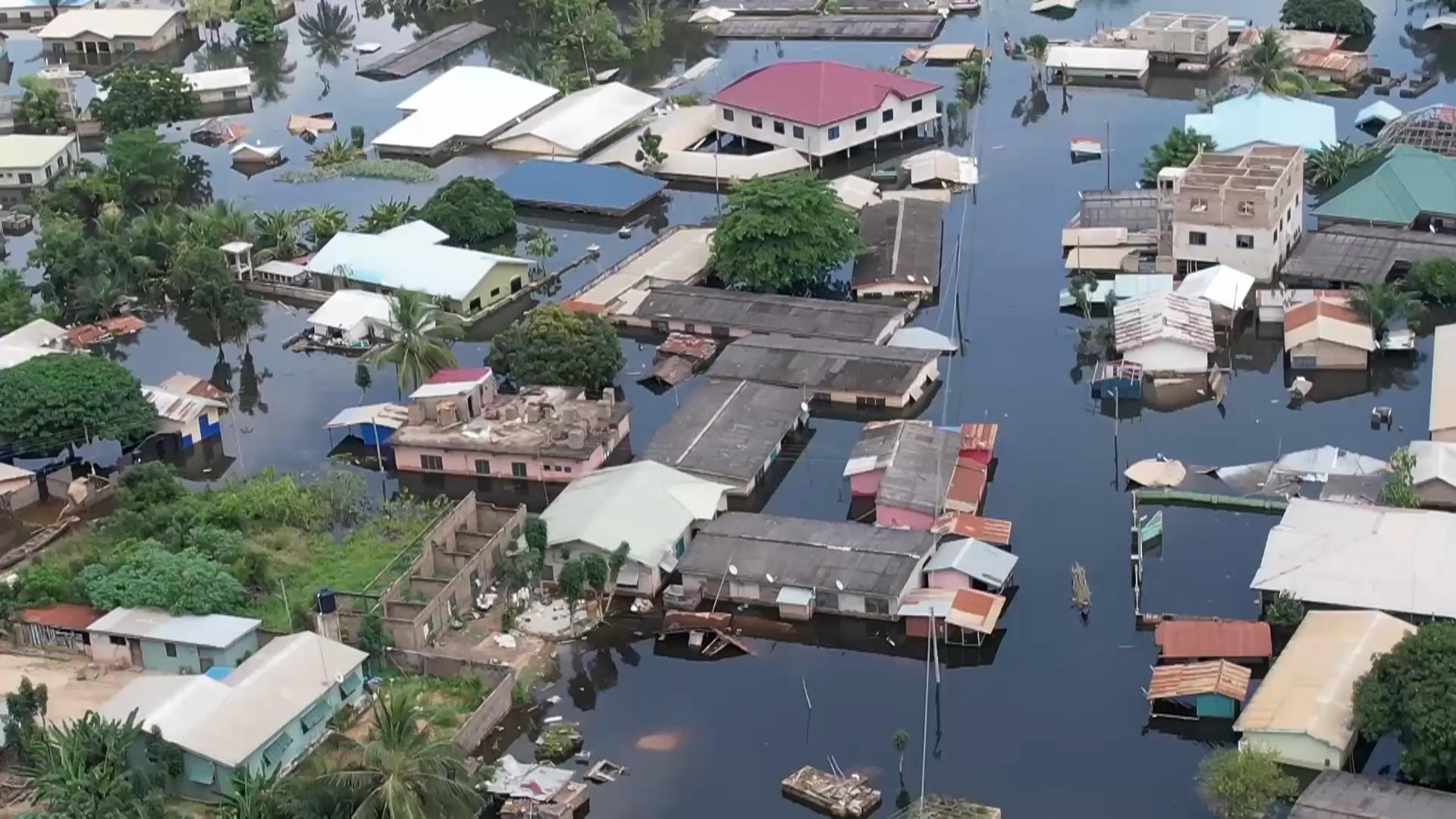
The June 3 disaster of 2015 was supposed to be a turning point for Ghana. That night, as heavy rains flooded parts of Accra, many people sought shelter at a filling station, only for a fire and explosion to claim their lives. May God rest their souls.
Even now, more than a decade later, some survivors continue to carry the physical and emotional scars of that tragedy. May they continue to find peace, strength, and healing.
The disaster was meant to shake us awake. It should have fundamentally changed how we, as a nation, treat our environment. Yet here we are, eleven years later, and I cannot help but wonder: Have we really learned anything?
Fast-forward to 2026, and the same careless habits persist. We continue to throw rubbish into gutters designed to channel stormwater. We continue to build houses on waterways and Ramsar sites. Illegal mining, commonly known as galamsey, continues to scar our land, leaving behind dangerous pits that are neither properly filled nor reclaimed.
When the floods return, we act surprised, even though the causes are right in front of us.
Some may wonder why I am pointing fingers at fellow Ghanaians. The truth is that the failure runs from top to bottom. We have all failed the environment in one way or another. Authorities approve building permits for waterlogged land and ecologically sensitive areas. The average citizen casually dumps waste into drains without a second thought. Galamsey operators dig deep into the earth and walk away, leaving behind craters that fill with water and contribute to future environmental disasters.
None of us is entirely blameless.
How much longer will we continue to treat our environment this way? It is time for us to wake up and smell the coffee. When we travel to cleaner countries, we admire how intentional they are about protecting their surroundings. We quickly adapt to their systems: We respect their rules, separate our waste, and keep their streets clean.
However, the moment we return home, that discipline often disappears. Why are we unwilling to make the same effort in our own country?
Look at the Korle Lagoon and the Odaw River. Is this how the United Kingdom treats the River Thames, which is now supported by major infrastructure projects such as the Thames Tideway Tunnel? Certainly not.
Our water bodies have enormous potential. With proper planning, the Korle Lagoon could even accommodate boats that might help ease traffic congestion in the city. In its current state, however, it is little more than a dumping ground. The potential is still there, but it remains buried beneath years of neglect.
It is painful to admit, but many of us still need to learn how to dispose of waste responsibly. Countless public-awareness campaigns have come and gone, seemingly falling on deaf ears. You may see someone throwing rubbish from a trotro window or emptying a bin into an open drain. When you attempt to correct the person, they may even become angry or defensive.
Such attitudes are deeply disheartening.
The responsibility belongs to all of us. We should not wait for another disaster before organizing yet another cleanup campaign. We must consciously protect and monitor our environment, from the highest government official to the ordinary citizen.
The current cleanup exercise is commendable, but it must not end here. We must sustain the momentum and, where possible, intensify our efforts.
We have only one Ghana. Let us begin treating her with the love, respect, and care she deserves. By Stella Annan