
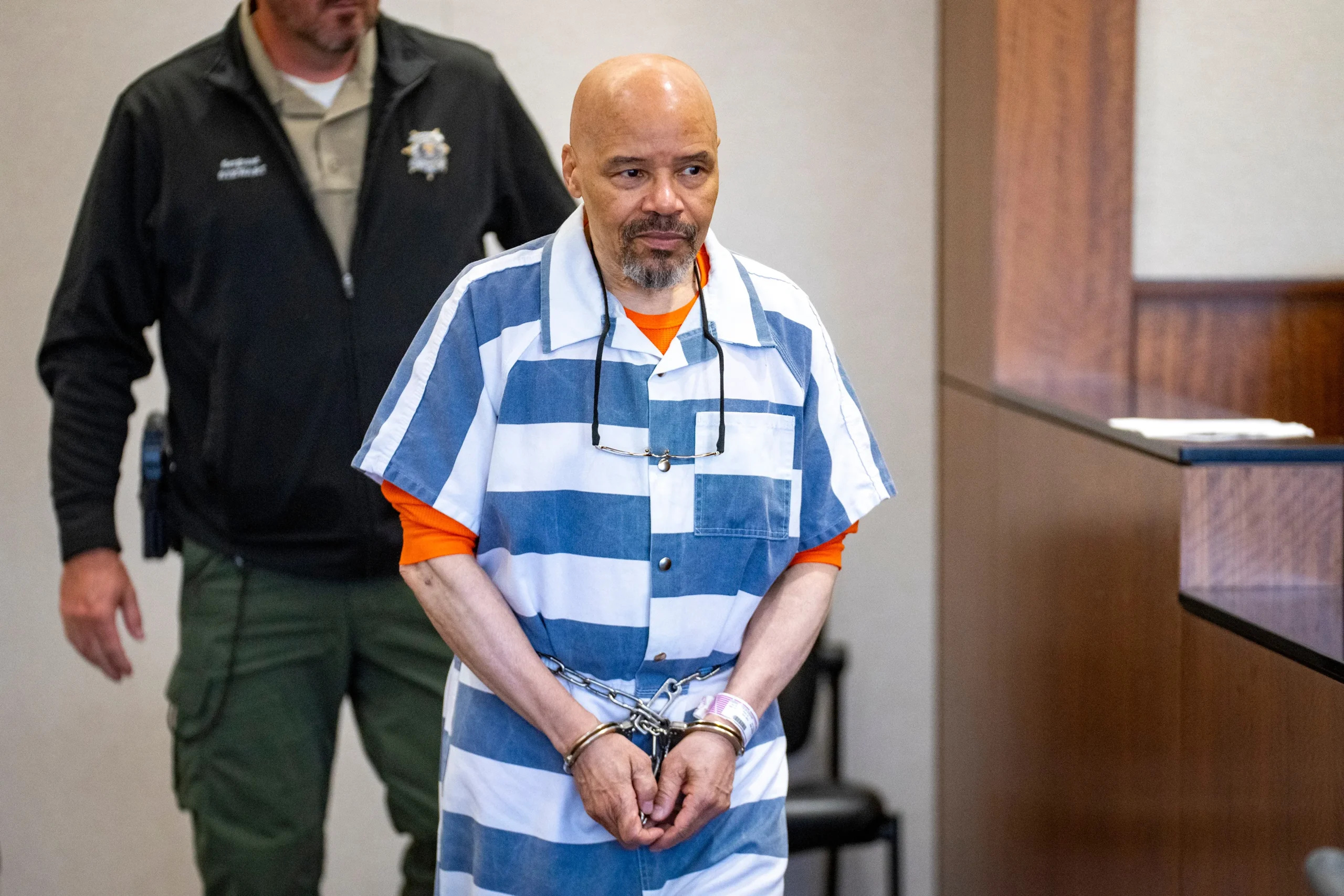
After spending more than four decades behind bars, much of that time on death row, 71-year-old Douglas Stewart Carter has been released on bail as new DNA evidence raises major questions about the 1985 murder case that put him there.
A Utah judge ordered Carter’s release on Monday, September 28, allowing him to leave custody while he awaits a new trial in the killing of Eva Olesen, who was the aunt of Provo’s police chief at the time. Carter has consistently maintained that he did not kill her.
Carter was sentenced to death after being convicted in 1985. Prosecutors relied heavily on a signed confession and testimony from two witnesses who claimed Carter had spoken about the killing.
However, the witnesses later recanted their testimony and alleged that investigators pressured them, including through threats and incentives. Carter has also long maintained that his confession was coerced.
The case took another dramatic turn when newly analyzed DNA evidence excluded Carter as a possible source of biological material recovered from key pieces of evidence. Testing received in September reportedly excluded him from blood found on a doorknob and genetic material recovered from the handle of the knife used in Olesen’s killing.
A judge has ordered the release of 71-year-old Douglas Stewart Carter, a Black man who has spent decades on death row for a 1985 killing he did not commit. He has been behind bars for 41 years. pic.twitter.com/6T0l0as46G
— Daily Loud (@DailyLoud) September 29, 2026
The Utah Supreme Court had already ordered Carter to receive a new trial after finding misconduct connected to the original investigation. Prosecutors have also withdrawn their intention to seek the death penalty in the upcoming proceedings.
Carter’s release does not formally end the criminal case. He remains charged with aggravated murder and must wear a GPS monitor while awaiting further court proceedings. The victim’s family opposed his release and continues to seek accountability for Olesen’s death.
Still, after approximately 41 years behind bars, Carter’s walk out of custody marked an extraordinary moment in a case that has now been transformed by recanted testimony, findings of investigative misconduct and DNA evidence that prosecutors acknowledge does not match him.