
The advent of social media has turned the world into a global village, and Ghana is no exception. However, the way some citizens use these platforms could, if care is not taken, contribute to serious problems for our beloved country.
My concern stems particularly from how some political party affiliates use social media. Instead of using these platforms to disseminate wholesome and credible information, some use them to foment trouble, spread inflammatory content, or incite hostility and, in some cases, violence. That is deeply unfortunate.
Before the emergence of social media, Ghana, like much of the world, relied heavily on traditional media—television, radio, and newspapers. It took considerable effort for reporters and journalists to gather, verify, and disseminate information through these platforms because the reputations of both the journalist and the media house were at stake.
Today, social media has changed the information-dissemination landscape, turning almost everyone into a reporter of sorts, whether trained or untrained. Anyone with a mobile phone and internet access now has the opportunity to share information instantly. Unfortunately, that is also where some of the problems begin.
The first issue is motive. Some people may be unaware that the information they share could create tension or cause harm, while others may fully understand the possible consequences of their actions. As a country, we need to draw a clear line between legitimate freedom of expression and content that deliberately promotes misinformation, hatred, threats, or violence.
I was therefore encouraged when President John Dramani Mahama raised concerns about the changing media landscape during a town hall meeting with Ghanaians in the diaspora in New York, following his address to the 81st United Nations General Assembly.
The President, himself a trained communications professional, reflected on how traditional media outlets previously placed their reputations behind the information they published. He noted that the media landscape has now become democratized, allowing virtually anyone with a mobile phone to disseminate information.
He also raised concerns about the challenges posed by platforms such as Facebook, X, and particularly TikTok, stressing that Ghana is not alone in trying to determine how best to preserve information integrity while protecting legitimate freedom of expression.
The fact that the President has acknowledged this challenge is encouraging. It is high time stakeholders—including the Ministry responsible for communications, government information agencies, the Media Foundation for West Africa, the Ghana Journalists Association, civil society organizations, political parties, technology companies, and other relevant bodies came together to address the situation.
Political parties, in particular, must take greater responsibility for the conduct of their affiliates online. Party communicators and supporters should be encouraged to engage in responsible political discourse rather than publishing material that could inflame tensions or create unnecessary conflict.
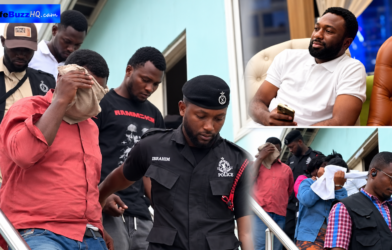
Recent events involving controversial social media posts, arrests, court appearances, and political parties rallying behind their affiliates should serve as a warning to all of us. Ghana does not need to become trapped in a continuous cycle of inflammatory posts, arrests, political accusations, and media frenzy.
Freedom of expression remains an important pillar of our democracy, but that freedom must be exercised responsibly. At the same time, any measures introduced to address harmful online content must also safeguard constitutional rights and avoid becoming tools for suppressing legitimate criticism or political disagreement.
I therefore urge the President of the Republic and all relevant stakeholders to pursue a broad national dialogue and develop practical measures that promote responsible social media use, protect freedom of expression, and strengthen information integrity.
Social media should unite, educate, and inform Ghanaians not become a weapon that divides us.
The time to act is now, before irresponsible online conduct explodes in our faces as a country.
By Stella Annan