

Ghana’s political landscape has been shaken by a landmark Supreme Court ruling declaring the delegate-based system used by political parties to select presidential and parliamentary candidates unconstitutional.
In a 5–2 majority decision delivered on Wednesday, July 29, 2026, the seven-member panel ruled that every registered party member in good standing must be permitted to vote directly in the selection of candidates for national elections.
The judgment effectively ends the long-standing practice in which only selected executives, constituency officers and accredited delegates participate in presidential and parliamentary primaries. Political parties have been given 12 months to introduce systems that allow their eligible members to vote under a broader “one member, one vote” arrangement.
The constitutional action was filed by former Environment, Science, Technology and Innovation Minister Professor Kwabena Frimpong-Boateng, veteran politician Dr Nyaho Nyaho-Tamakloe and former Lands and Forestry Minister Dr Christine Amoako-Nuamah.
They argued that restricting internal elections to a small electoral college denied ordinary party members meaningful participation and violated the democratic principles contained in Article 55(5) of Ghana’s 1992 Constitution.
The Supreme Court agreed that limiting the vote to a narrow group of delegates, while excluding the wider membership, breached the constitutional requirement for political parties to organise themselves according to democratic principles. The court also ruled that the Electoral Commission has a responsibility to ensure that political parties comply with the Constitution.
However, the court clarified that previous elections, appointments and decisions lawfully made under the delegate system will remain valid and will not automatically be cancelled because of the judgment.
Chief Justice Paul Baffoe-Bonnie presided over the panel, with Justices Samuel Kwame Adibu-Asiedu and Ernest Yao Gaewu dissenting. The full reasons supporting the decision are expected to be filed by August 5, 2026.
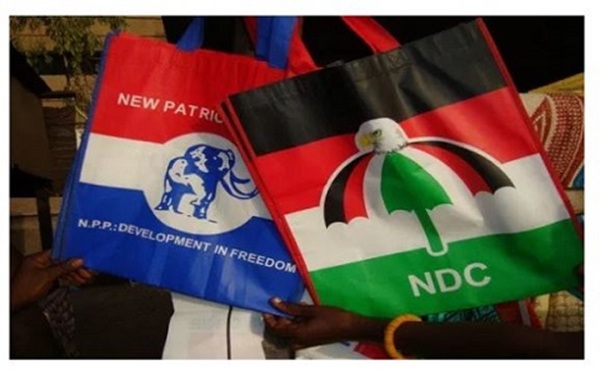
The historic ruling is expected to force major parties, including the NPP, NDC and CPP, to review their constitutions, membership records and procedures for organising future primaries.
For thousands of ordinary party supporters, the era of watching a small group of delegates decide who leads their party into national elections may finally be over.

