

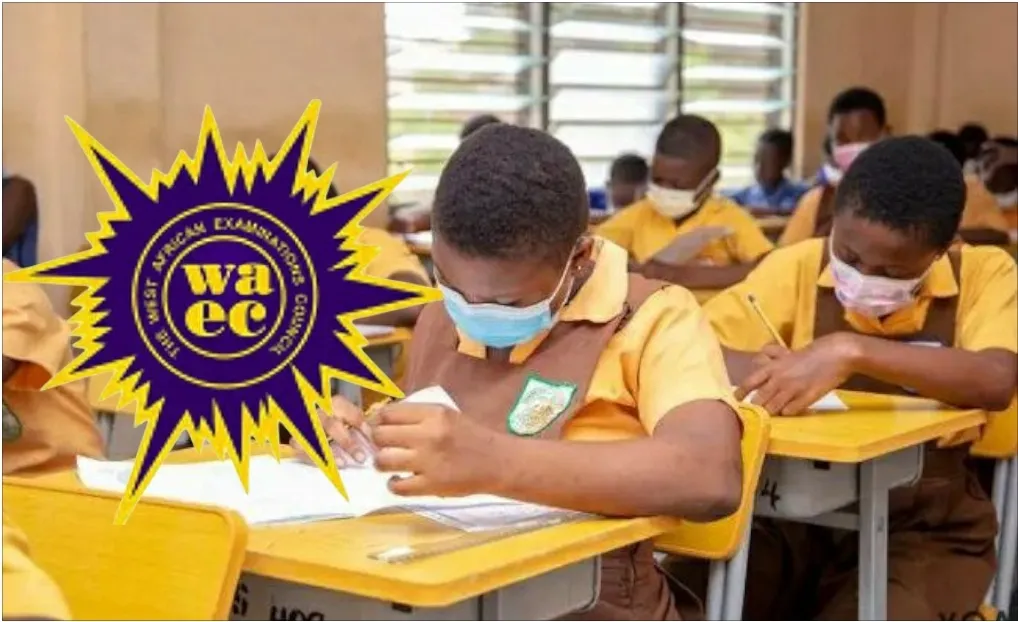
Once again, it is that time of year when students who have completed their basic education begin preparing to transition to senior high schools and technical institutions, following the release of the just-ended Basic Education Certificate Examination (BECE) results by the West African Examinations Council (WAEC).
Before the results were released, one would have thought that WAEC and its coordinating stakeholders would have learned some lessons, lessons that could enable them to, if not completely curb, at least significantly minimize the yearly lamentations over how scripts from private school students are marked. Interestingly, this year’s examination did not escape that same drama. Leaders of private basic schools were up in arms, unable to believe the grades their candidates received. They argue that the results do not tally with the students’ usual academic performance in class or during their exam preparation.
These complaints from private schools have been ongoing for some time now. It is high time WAEC, together with key stakeholders including heads of private schools, the Ministry of Education, and the Ghana Education Service—sat down to address this issue once and for all, to prevent this annual cycle of complaints and drama.
WAEC, as an examination body with vast experience, must understand that trust is one of its most valuable currencies. If a major stakeholder consistently doubts and complains about your service, a time will come when that party will call for the establishment of an alternative examination body they deem fairer. Furthermore, how can WAEC expect its results and certificates to be trusted internationally if it does not give the private schools’ complaints the attention they deserve and address them promptly?
Education is one of the key pillars that builds a nation, and it must not be toyed with. Consequently, the ministry in charge and all major stakeholders in this sector need to step up and address this situation decisively.
By Stella Annan