
Every fourth Thursday of November, millions of Americans gather around dining tables, reunite with loved ones, enjoy traditional meals and express gratitude for the blessings of life. From roasted turkeys and family reunions to spectacular street parades, Thanksgiving has become one of the most cherished holidays in the United States.
However, behind the celebrations lies a centuries-old story of survival, cooperation, political leadership and a complicated chapter of American history.
How Thanksgiving Began
The origins of Thanksgiving are commonly traced to 1621 in Plymouth, present-day Massachusetts, where English settlers, popularly known as the Pilgrims, struggled to survive after arriving in North America aboard the Mayflower in 1620.
Their first winter was devastating, with many settlers losing their lives to disease, hunger and harsh weather conditions.
The surviving settlers received assistance from the Indigenous Wampanoag people, whose agricultural knowledge helped them cultivate crops and adapt to their new environment.
Following a successful harvest in 1621, the settlers and members of the Wampanoag nation participated in a three-day feast that would eventually become associated with America’s Thanksgiving tradition.
How Thanksgiving Became a National Holiday
Despite its historical roots, Thanksgiving did not immediately become an annual national celebration.
In 1789, America’s first president, George Washington, proclaimed a national day of thanksgiving.
Decades later, American writer and editor Sarah Josepha Hale campaigned extensively for the establishment of an annual national Thanksgiving holiday.
In 1863, amid the devastating American Civil War, President Abraham Lincoln proclaimed the last Thursday of November a national day of thanksgiving, hoping to encourage unity, gratitude and healing across a deeply divided country.
In 1941, President Franklin D. Roosevelt signed legislation officially establishing the fourth Thursday of November as Thanksgiving Day.
The Painful History Behind the Celebration
While Thanksgiving symbolizes gratitude for many Americans, it carries a different meaning for some Native Americans.
The peaceful gathering of 1621 did not prevent subsequent conflicts, the seizure of Indigenous lands, displacement and persecution following European colonization.
Since 1970, Indigenous activists and their supporters have observed a National Day of Mourning on Thanksgiving Day to honor their ancestors and highlight historical injustices.
This perspective serves as an important reminder that America’s history must be understood beyond the popular narrative of friendship and celebration.
Why Thanksgiving Remains Important Today
Thanksgiving has evolved into a celebration that transcends religious, ethnic and cultural boundaries.
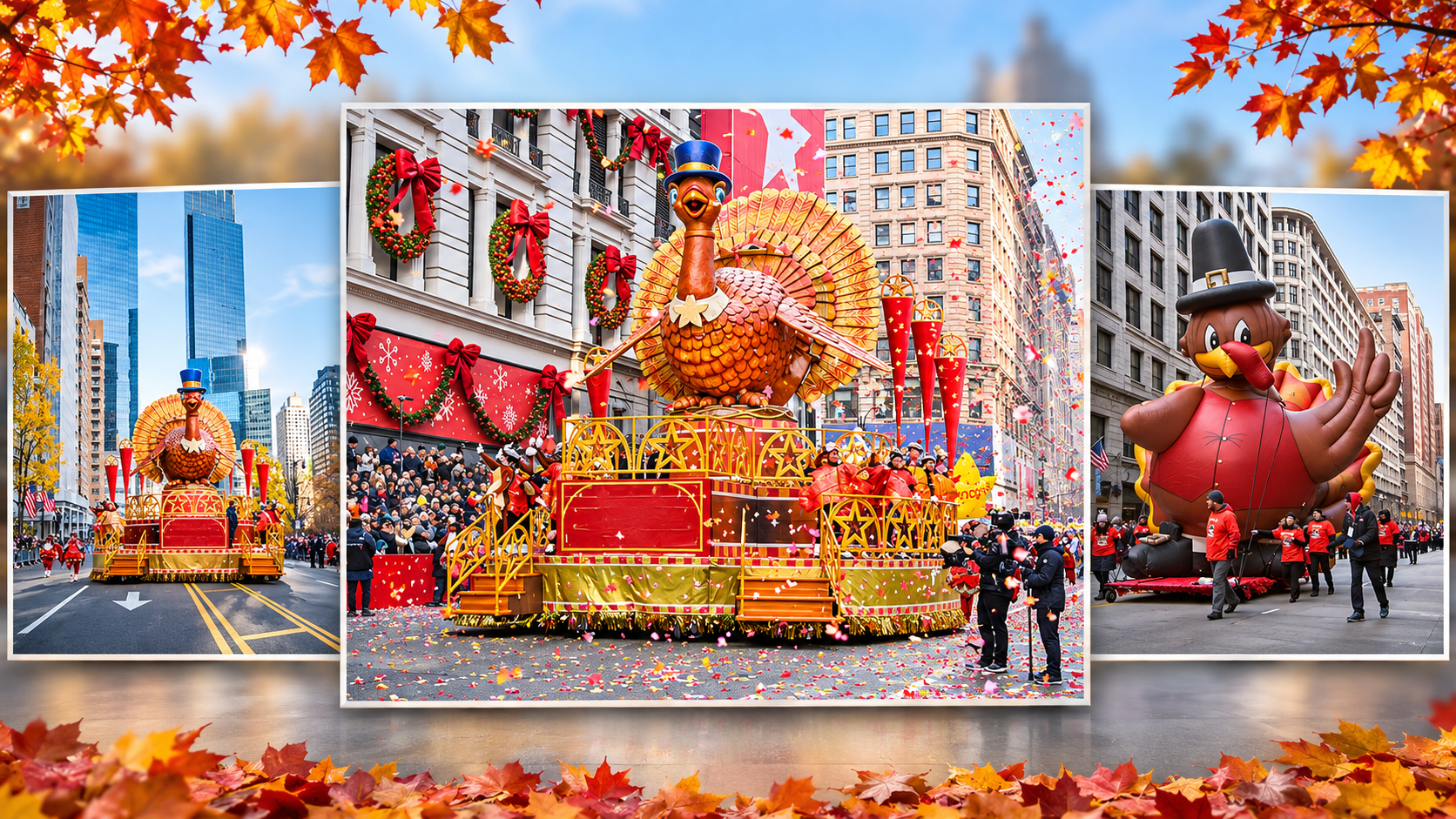
Traditional meals featuring turkey, mashed potatoes, cranberry sauce and pumpkin pie have become synonymous with the holiday. American football games, spectacular parades and charitable activities also form an important part of the celebrations.
Many Americans volunteer at shelters, distribute food to disadvantaged families and extend kindness to strangers.
For immigrants who have made America their home, Thanksgiving also presents an opportunity to embrace American traditions while incorporating elements of their own cultural heritage.
Beyond the food, entertainment and festivities, Thanksgiving carries a powerful message about appreciating life, strengthening family bonds and remembering those who are less fortunate.
More than four centuries after the historic Plymouth gathering, Thanksgiving remains a significant part of America’s national identity—a celebration of gratitude, an opportunity for historical reflection and a reminder that even during life’s most difficult moments, there can still be reasons to give thanks.