

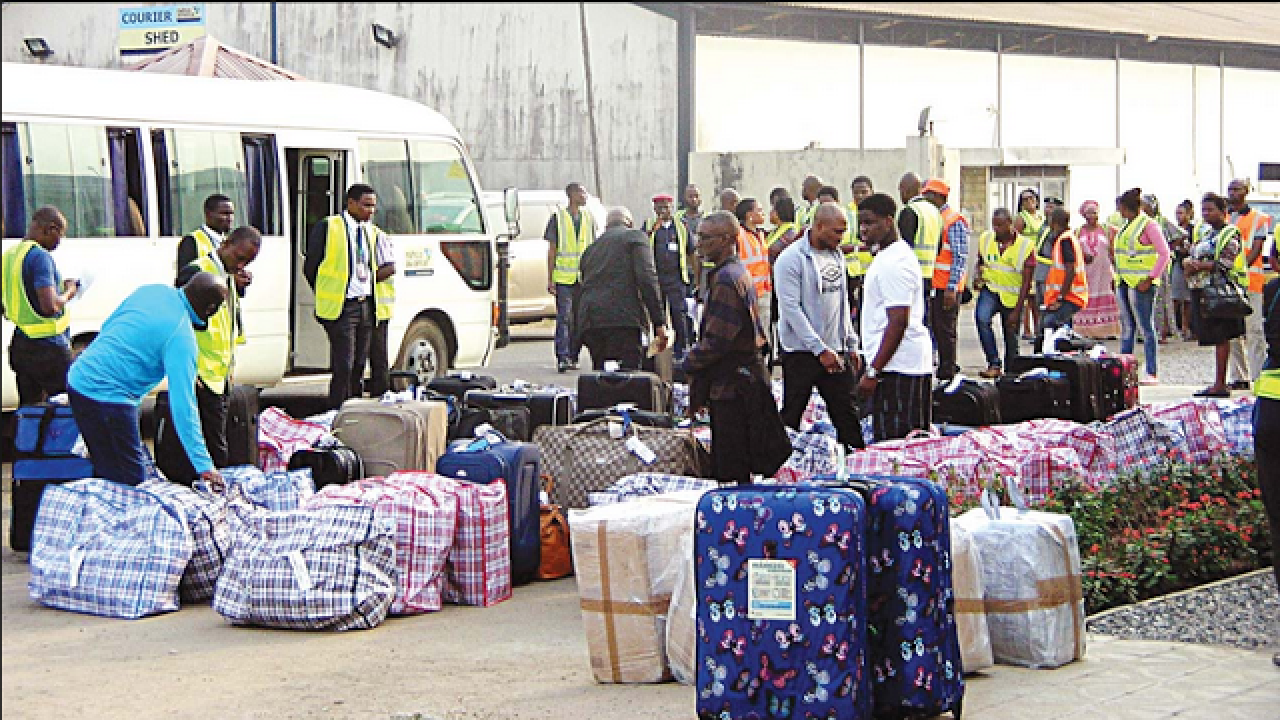
A dramatic claim that 200,000 Ghanaians living in the United States could face deportation has triggered widespread concern within Ghanaian communities at home and abroad as the Trump administration intensifies its immigration crackdown.
The figure has spread rapidly across Ghanaian social media and online publications, creating fears that one of the largest mass removals of Ghanaians from America could be approaching.
However, available U.S. government reporting does not confirm that 200,000 Ghanaians specifically are facing deportation.
Instead, the Trump administration is reportedly preparing to revoke as many as 200,000 B1 and B2 business and tourist visas belonging to foreign nationals from multiple countries who entered the United States as temporary visitors and later applied for asylum.
The proposed move could become one of the largest mass visa revocation efforts in U.S. history.
Ghanaians could potentially be among those affected, particularly individuals who originally entered America using visitor visas before filing asylum applications. But no official breakdown showing that all—or even most—of the 200,000 people are Ghanaian has been released.
Another critical distinction is that having a visa revoked does not automatically mean immediate deportation.
People with pending asylum applications may continue to have their cases considered under immigration law, although losing their previous visa status could significantly complicate their situation.
The development comes amid tougher immigration enforcement across the United States, including increased deportations, tighter visa screening and pressure on immigration judges to move cases through the system more quickly.
Ghana has already felt the effects of Washington’s tougher immigration policies, with Ghanaian nationals among people targeted for removal in separate enforcement actions.
For Ghanaians living in America, the latest developments are understandably concerning—but the viral claim that 200,000 Ghanaians themselves have officially been marked for deportation remains unverified.
As U.S. immigration policies continue to change rapidly, affected individuals are being encouraged to rely on official notices concerning their individual cases rather than social-media figures.