
Police departments across the United States are increasingly turning to drones to track retail theft suspects who grab merchandise and run from stores, adding a powerful new tool to the fight against shoplifting and organized retail crime.
Videos released by law enforcement agencies show drones being launched or dispatched after theft reports, allowing officers to follow fleeing suspects from the air while ground units move in for arrests.
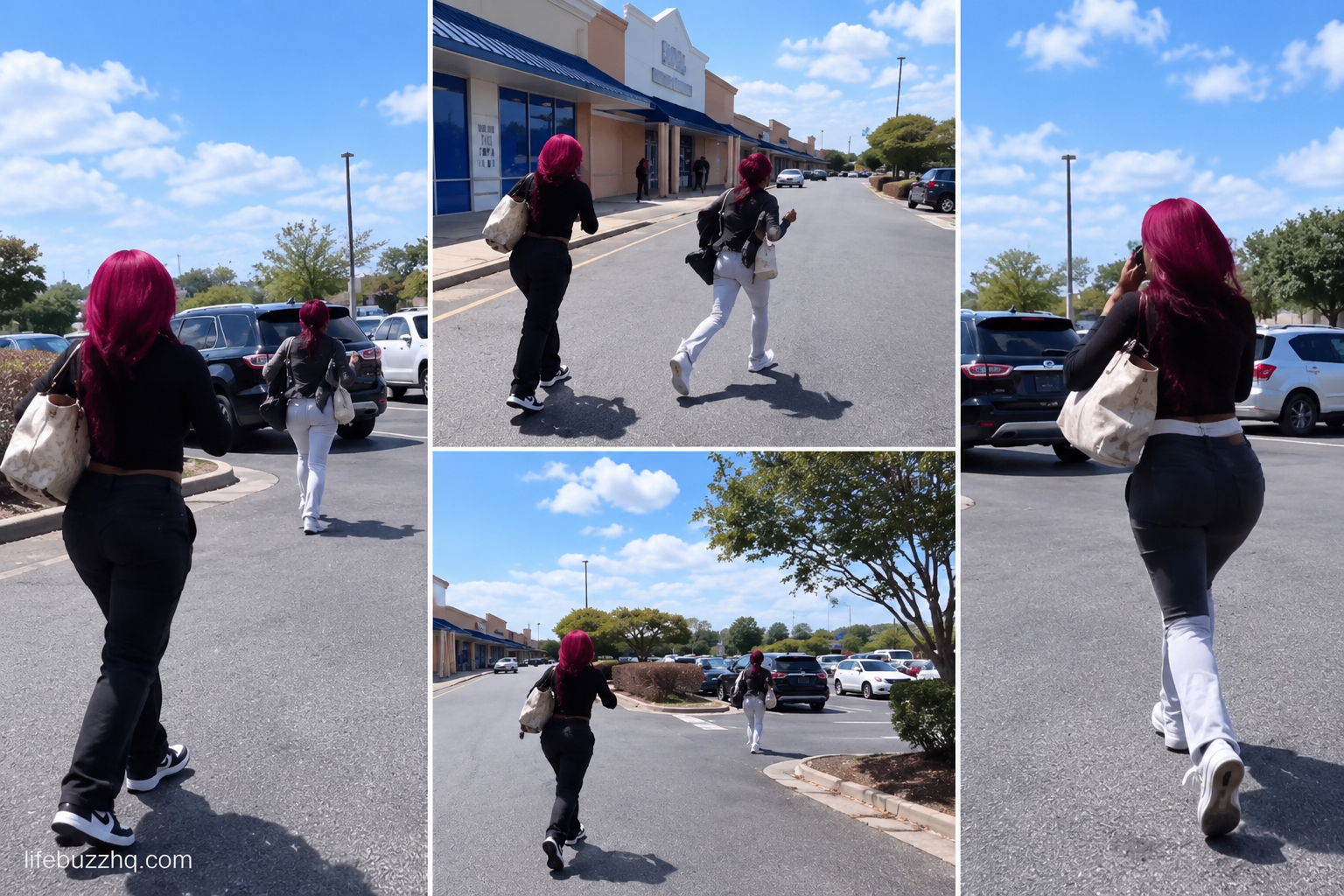
One recent case in Irvine, California, involved two women accused of stealing more than $900 worth of merchandise from Brandy Melville at the Irvine Spectrum Center. After allegedly running from employees and attempting to hide inside a parking structure, police said a drone located them and directed officers to their position.
Similar technology is being used elsewhere.
In Fresno, California, police deployed their Drone as a First Responder unit after receiving a report of theft at a Dick’s Sporting Goods store in May 2026. Authorities said the suspects left in a vehicle before officers arrived, but the drone located the SUV and tracked it through traffic while providing officers with real-time information. Two people were eventually arrested.
The technology has also been used in San Francisco, where police previously credited drones, public safety cameras and other surveillance systems with helping officers locate suspects connected to organized retail theft.
Drone programs can give police an aerial view of parking lots, streets and surrounding neighborhoods, making it harder for fleeing suspects to simply disappear once they leave a store.
Police are now using drones to track down retail theft suspects who steal items and run from stores. pic.twitter.com/52HjMmXKLc
— Daily Loud (@DailyLoud) September 7, 2026
In some cases, drones may arrive before patrol officers and transmit live footage directly to dispatchers or officers on the ground. That can allow police to follow suspects without immediately launching dangerous vehicle or foot pursuits.
But the rapid expansion of police surveillance technology is also raising privacy concerns, with critics questioning how departments store footage, where drones are permitted to fly and whether surveillance could extend beyond emergency situations.
For retailers struggling with repeated theft, however, the technology represents a dramatic shift.
The message from departments deploying the systems is becoming clear: running out of the store may no longer mean escaping police attention because the next officer watching could be flying overhead.