

Ghana’s political atmosphere intensified on Thursday, August 6, 2026, as the New Patriotic Party presented separate petitions to the Supreme Court and Jubilee House, accusing the government of political intimidation, arbitrary arrests and selective application of the law.
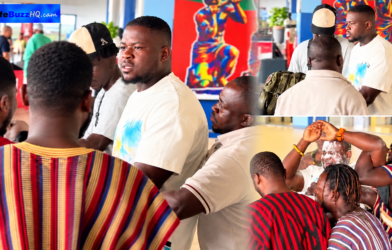
The petitions marked the climax of the NPP’s “Democracy Under Attack” demonstration, which brought party executives, Members of Parliament, former government officials and supporters onto the streets of Accra.
Led by Minority Leader Alexander Afenyo-Markin, the protesters argued that recent developments were weakening judicial independence, the rule of law and public confidence in state institutions. The party maintained that accountability must be pursued fairly and should not be used as a political weapon against opposition figures.
Among the major issues highlighted were the acquittal of former MASLOC Chief Executive Officer Sedina Tamakloe-Attionu, the removal of former Chief Justice Gertrude Torkornoo and the imprisonment of NPP Ashanti Regional Chairman Bernard Antwi Boasiako, popularly known as Chairman Wontumi.
The NPP claimed that the handling of these matters raised serious questions about consistency and impartiality within Ghana’s justice system. However, the allegations presented by the party remain political claims and do not, by themselves, establish wrongdoing by the government or state institutions.
Tension briefly erupted at Jubilee House when the NPP delegation initially declined to present its petition to presidential staffer Nana Yaa Jantuah. Party officials argued that the seniority of their delegation required the presence of President John Dramani Mahama or Chief of Staff Julius Debrah.
Afenyo-Markin described the government’s level of representation as disrespectful but eventually handed over the petition after discussions between both sides. Nana Yaa Jantuah reportedly assured the protesters that the document would be formally delivered to the Presidency.
The Minority Leader further warned against the alleged use of security and investigative institutions to intimidate government critics. He argued that political power was temporary and urged those currently governing the country to protect democratic institutions.
With the petitions now submitted, attention turns to how the Supreme Court and the Presidency will respond to the NPP’s accusations. The demonstration has once again placed political prosecutions, freedom of expression and judicial independence at the centre of Ghana’s national debate.