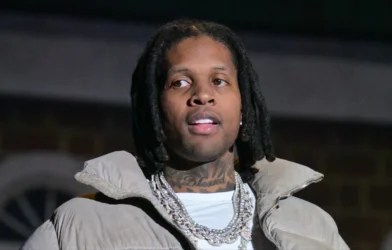

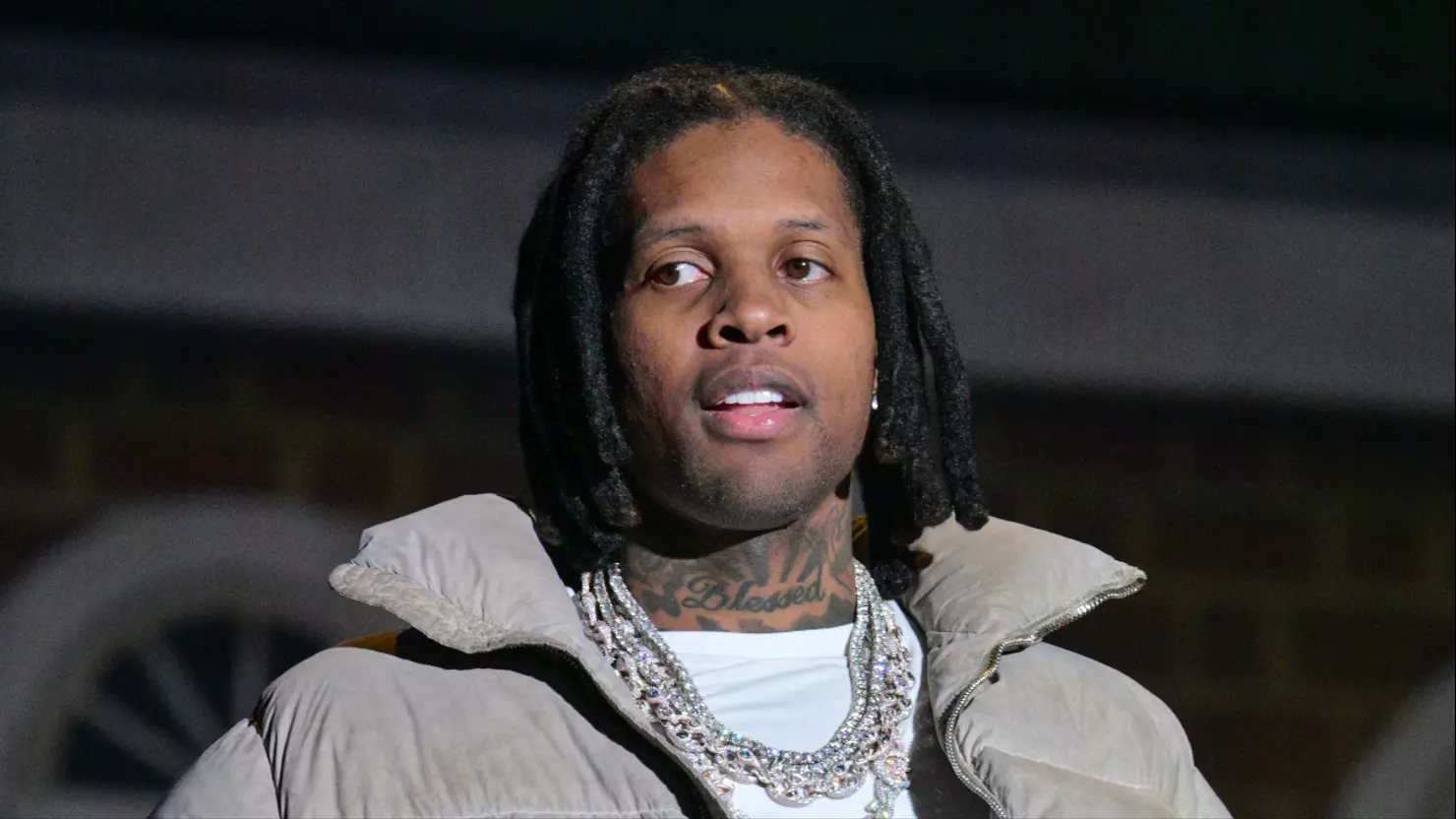
The high-stakes federal trial of Chicago rapper Lil Durk appears to be heading toward its most crucial stage, as the presiding judge has given jurors an estimated timeline for when they could begin deliberating the rapper’s fate.
U.S. District Judge Michael W. Fitzgerald addressed the issue after jurors repeatedly asked when the trial was expected to conclude. According to reports from the courtroom, Fitzgerald indicated that deliberations could begin as early as Tuesday, September 8, although the schedule could shift depending on how quickly the remaining defense presentation and closing arguments are completed.
The update comes as the trial reaches a major turning point. Federal prosecutors officially rested their case Thursday, after presenting witnesses and evidence they say link Durk, whose legal name is Durk Banks, to an alleged murder-for-hire plot targeting rapper Quando Rondo. Durk has pleaded not guilty.
Prosecutors allege the plot was retaliation connected to the 2020 killing of Durk’s close friend and fellow rapper King Von. The August 2022 Los Angeles shooting prosecutors say was intended for Quando Rondo instead killed his cousin, Saviay’a “Lul Pab” Robinson.
Throughout the closely watched proceedings, several cooperating witnesses have testified for the government, while Durk’s attorneys have aggressively challenged their credibility and disputed the claim that the rapper ordered the attack.
Now, the spotlight has shifted to the defense, which has begun calling its own witnesses. Once the defense finishes presenting its case, prosecutors and defense attorneys are expected to deliver closing arguments before Judge Fitzgerald gives jurors their final legal instructions.
After that, the case will finally be placed in the jury’s hands.
With Durk facing charges that could result in life imprisonment if convicted, anticipation surrounding the verdict is intensifying across the hip-hop world.
For now, however, Lil Durk remains presumed innocent, and the jury has yet to decide whether prosecutors proved the charges beyond a reasonable doubt.