
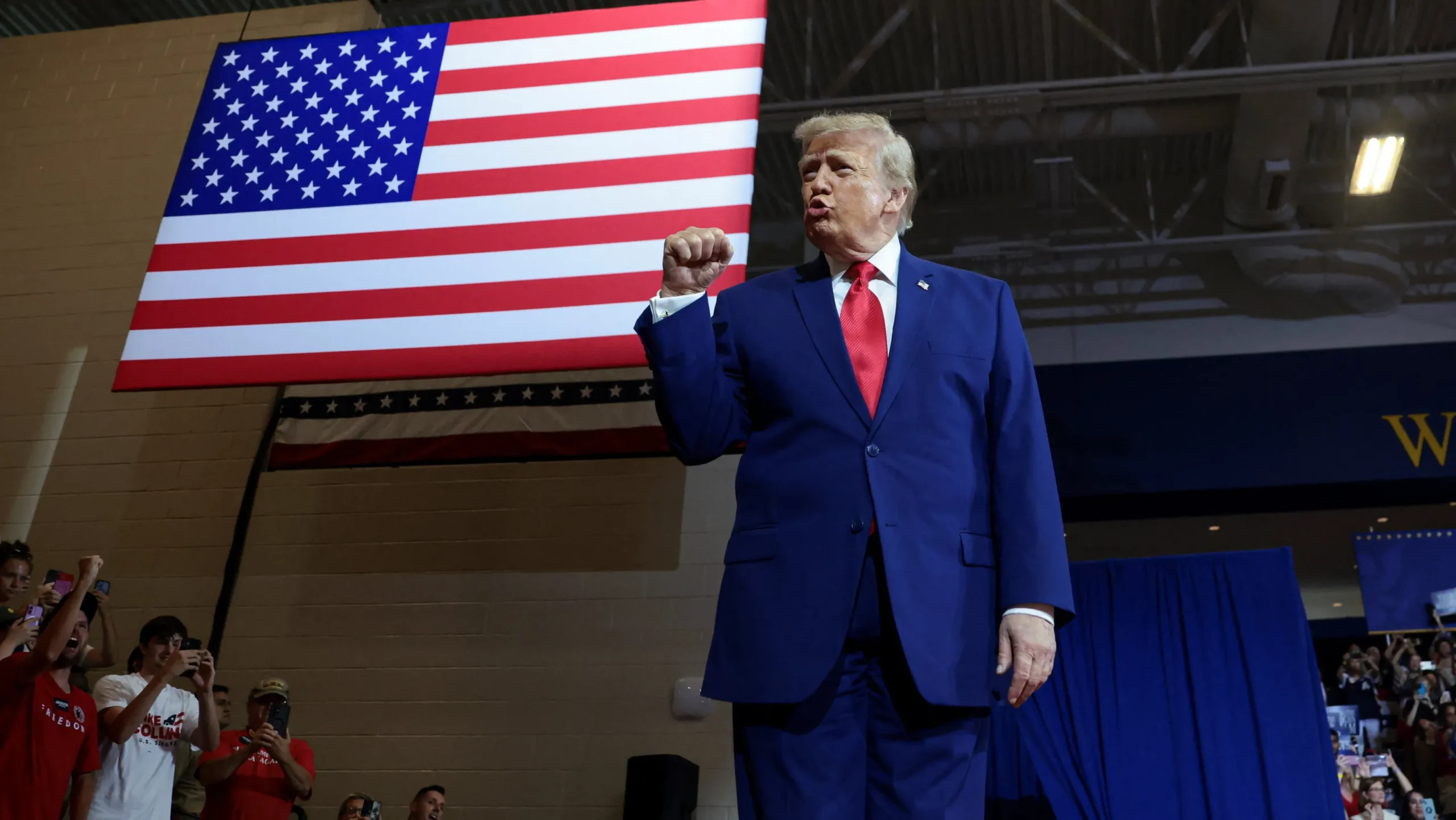
President Donald Trump has injected a major new talking point into the 2026 midterm elections, promising a $5,000 payment to every adult U.S. citizen if Republicans retain control of both the House and Senate in November.
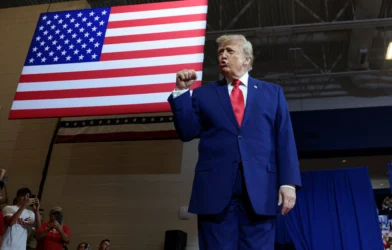
Trump announced the proposal during the Republican Party’s midterm convention in Dallas on Wednesday, September 9, describing the payment as a “Trump dividend.” He said the money would be distributed if Republican candidates succeed in maintaining control of Congress.
Under Trump’s proposal, eligible adults would receive $5,000, with the president also saying the money would have to be spent within the United States. However, he did not provide a detailed funding mechanism or explain exactly how the program would be implemented.
The promise immediately drew national attention because of its enormous potential cost. Estimates suggest sending $5,000 to every adult American citizen could require more than $1 trillion, with Reuters estimating the total at roughly $1.35 trillion.
Despite Trump’s announcement, the payments are not currently approved or guaranteed. A nationwide payout of that scale would likely require congressional authorization and legislation establishing how the money would be funded and distributed.
Vice President JD Vance later suggested that wealthier Americans might potentially be excluded, indicating that some details of the proposal remain unsettled.
💰 Trump promises $5K to every adult citizen if GOP wins midterms.
🎥: AP pic.twitter.com/iLjYaRxLAZ
— TMZ (@TMZ) September 10, 2026
Trump’s announcement comes as Republicans campaign to protect their congressional majorities in the November 3, 2026 midterm elections. During his Dallas appearance, Trump urged supporters to treat the election as though he himself were on the ballot.
The proposed $5,000 “Trump dividend” is now likely to become a major subject of debate over its cost, funding and economic impact as Republicans and Democrats battle for control of Congress.
For American voters, one key distinction remains: Trump has made the promise, but Congress would still have to approve a workable plan before any checks could actually be issued.