

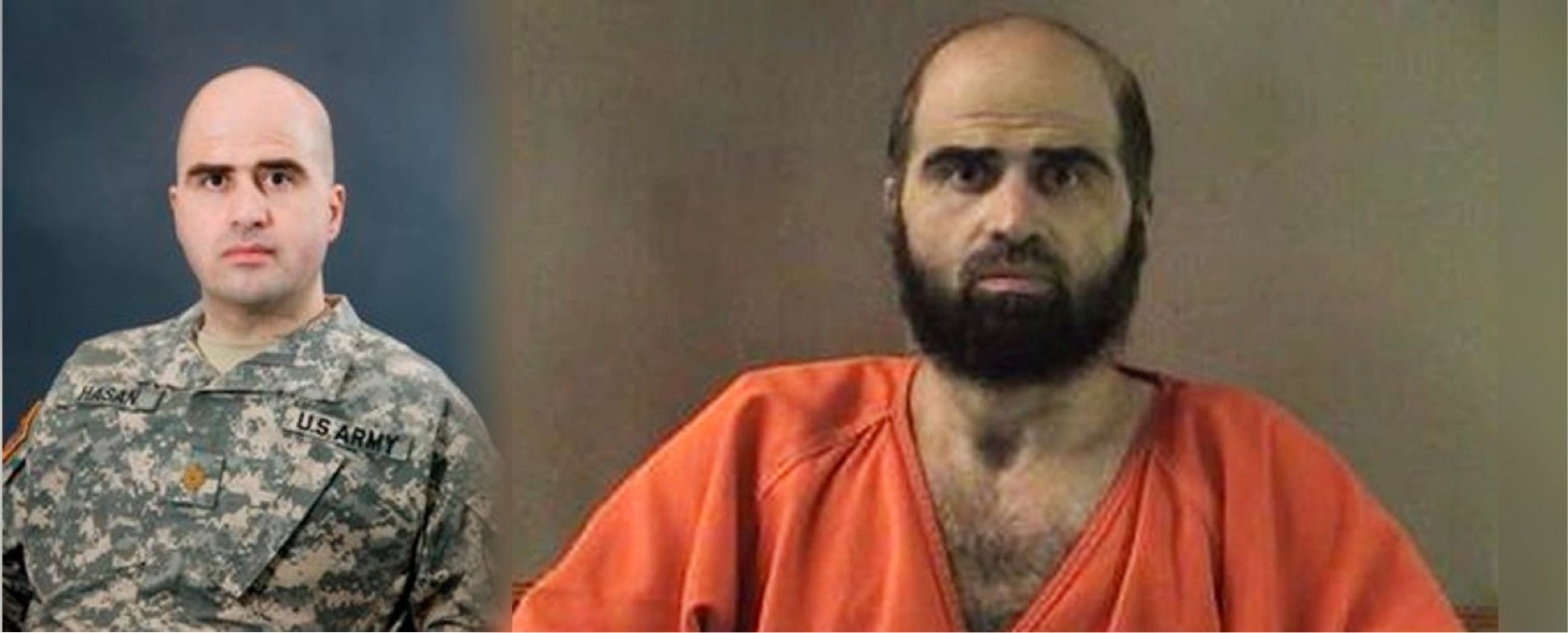
The United States military has announced plans to broadcast the execution of former Army Major Nidal Malik Hasan, who was convicted of killing 13 people during a deadly shooting at Fort Hood, Texas, in 2009.
The 56-year-old former military psychiatrist is scheduled to face a firing squad on December 3, 2026, at Fort Hood, the same military installation where he carried out the deadly attack nearly 17 years ago.
The Pentagon confirmed on Thursday, October 8, that the execution would be livestreamed, marking an extraordinary departure from the country’s longstanding practice of conducting executions away from public view.
Pentagon Confirms Plans for Public Execution
US Defense Secretary Pete Hegseth defended the decision to make Hasan’s execution publicly accessible, arguing that Americans should understand the consequences of committing such serious crimes.
During a media interview, Hegseth explained that the military intended to ensure public access to the execution.
A Pentagon official subsequently confirmed that the event would be livestreamed, although specific broadcasting arrangements have not yet been disclosed.
The Deadly 2009 Fort Hood Shooting
Hasan, who served as an Army psychiatrist, opened fire at Fort Hood on November 5, 2009, killing 13 people and wounding 32 others.
The attack shocked the nation and became one of the deadliest shootings at an American military installation.
During the confrontation, Hasan was shot by responding law enforcement officers, leaving him paralyzed.
In August 2013, a military court convicted him of multiple counts of premeditated murder and attempted murder before sentencing him to death.
President Trump Approves Death Sentence
President Donald Trump formally approved Hasan’s death sentence on October 2, 2026, following the completion of the military appeals process.
Four days later, the acting Secretary of the Army authorized his execution by firing squad.
If carried out, Hasan’s execution would become the first US military execution since 1961 and the first military execution by firing squad since 1945.
Livestream Decision Sparks National Debate
The unprecedented broadcasting plan has already generated controversy across the United States.
While supporters believe public access could demonstrate accountability and the seriousness of capital punishment, critics have raised concerns about human dignity, ethical standards and the possibility of turning an execution into a public spectacle.
Legal experts have also questioned whether the livestream plan complies with existing military regulations.
As December 3 approaches, attention is turning toward the Pentagon’s final preparations for an execution that could become one of the most controversial moments in modern American military justice.
